
Category

Financial Wellness

This Back-to-School Season, Teach Your Kids and Grandkids About Money

By Financial Literacy, Financial Wellness

It’s back-to-school time again, when our children and grandchildren return to the classroom for a new school year of learning. While reading, writing, and arithmetic usually take center stage, other subjects are also important, such as personal finance. In fact, since around 2021, recognition of the importance of educating students about money and finance has burgeoned, and classroom requirements have been implemented by the majority of states in America according to the Council for Economic Education.

Personal finance coursework is now required by 39 states in order for a student to graduate from high school.

This is a much-needed development, but we think you should start younger than high school age. Even kindergarteners can begin to understand money concepts. While they might not be ready for an explanation about stock market risk, or what a 529 plan is, they can learn the basics about how money works if you teach them.

A great way to introduce children to how money works is to give them an allowance for age-appropriate household chores.

Once your child starts earning money, you can coach them on how to divide their money into “spend, save, and share” categories. You can use separate piggy banks for each category, label special envelopes, or use clear jars so they can see money building up. Any method that’s visual and understandable will work.

Here’s how it might break out.

THE SPEND JAR:

This portion is for immediate enjoyment or day-to-day expenses. Kids can use this money to buy things they want, like toys, games, or treats. They will quickly understand this category if they don’t already, and most children will want to spend all of it. This is where money concepts become teachable opportunities for you as a parent or grandparent.

THE SAVE JAR:

The save category is for money your child can put away for larger future goals that will take time to save for. If your child wants a toy that is more expensive, explain that they can save part of their money for that larger purchase. For instance, if the item they want is $20 and they save $5 per week, they can save and buy that toy in one month. You could even mark a calendar to count down the days. As they get older and more capable of delayed gratification, perhaps they will want to save for a musical instrument, or a car when they turn 16.

THE SHARE JAR:

This category is for money set aside for giving to others, whether through charity, tithing, helping someone in need, or just the sheer joy of gifting. Some parents or grandparents may want to teach that 10 cents of every dollar should go into this category for religious reasons. Or sometimes children might want to buy gifts for their loved ones on birthdays or holidays, or pay for an ice cream outing for themselves and a friend as a way to share abundance and fun. The share category opens a whole new dimension to money and what it can be used for.

But there’s more to learning about money than just the spend, save, and share jars. Other things you may want to consider include allowing your child to hand a cashier their money to purchase their chosen items in order to help them build confidence. Comparing price options between brands to help teach them about budgeting. Or making a rule that kids have to wait a certain time period before making toy purchases in case they change their minds. Other teachable moments might happen spontaneously, like if an item they purchased with their money breaks and what recourse they might have or don’t have with that purchase. You can also have a conversation about quality over quantity, and what really matters in life.

Another idea to consider for children as they get older is creating a “contract” for chores that is renewable yearly. That way, you can also teach them about taking on more responsibility, negotiating fair wages for work, and knowing their worth and value as they get older and can do more.

It’s also important to remember that your children learn so much by simply observing you. If you are demonstrating good financial principles in front of them already, they’ll naturally pick up on what you do and how it matches with what you say. This is why it’s important to make sure you keep up with your own financial health.

Through the years, you can start including children in more complex financial conversations. You can teach them about how to build good credit, what different types of investments are, risk versus reward, and what your plans are when it comes to your wealth transfer legacy.


We are here to help our clients grow and protect wealth, and pass on a tax-advantaged legacy you can be proud of. Contact BayTrust Financial today to learn how thoughtful planning can help you make the most out of every season. We welcome the chance to speak with you.


Sources:

https://www.councilforeconed.org/four-new-states-implement-personal-finance-courses-as-cees-survey-of-the-states-reveals-positive-momentum-in-financial-literacy-education-in-america/
How To Beat The Heat This Summer

By Financial Wellness

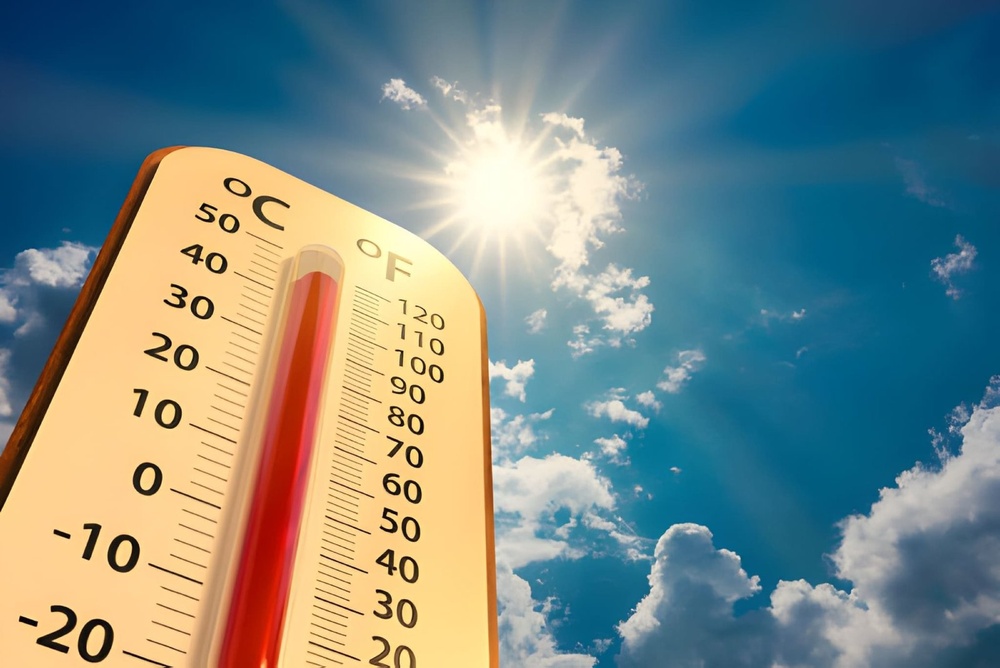
Summer 2026 is shaping up to be one of the hottest on record, with extreme heat expected to impact nearly two-thirds of the United States. Whether you’re staying home this summer or escaping to cooler destinations, you can keep your home comfortable and lower your AC costs by combining passive cooling techniques and energy-saving habits. Here are some ways to beat the heat this summer:

The Ideal Thermostat Temperature

Keeping your AC unit running at full power, especially when you aren’t home, can lead to a costly utility bill, unnecessary energy use, and added wear and tear on your system. On the other hand, turning your AC off completely can increase the risk of excess heat, humidity, and mold growth. So, what temperature should you leave your house during the summer?

  • When leaving your house vacant over the summer, it’s recommended to set your temperature no higher than 85 degrees. However, for those leaving pets, delicate plants, paintings, or electronics behind, it may be better to raise the thermostat by only 5 to 10 degrees from your normal setting.
  • When you’re home, the U.S. Department of Energy recommends setting your thermostat to 78 degrees during the summer. If you have vulnerable household members, like infants or individuals with health issues, keeping your home closer to 76 degrees may provide a more comfortable balance between safety and savings. If you have ceiling or standing fans, try bumping it up to around 82 degrees while you sleep. This helps your AC use less energy while adding airflow to keep you feeling cool and more comfortable throughout the night.

Sealing Air Leaks Around Windows And Doors

Once you’ve adjusted your thermostat, sealing air leaks is your next line of defense against rising energy bills. Start by running your hand along window frames and door edges to detect drafts, then apply window caulking techniques using silicone-based sealants that flex with temperature changes.

For the pesky gap between your door’s bottom edge and threshold, consider adjustable door sweeps and draft stoppers that move smoothly with your door and floor while blocking unwanted air flow.

Lower Cooling Costs With Double Pane And Low-E Windows

If you’re replacing your windows, consider energy-efficient options such as double pane windows, Low-E glass, or a combination of both. Double pane windows improve insulation by using two panes of glass separated by an insulating layer of air or gas, while Low-E glass features a specialized coating that reflects heat without blocking natural light. Each provides energy-saving benefits on its own, but together they offer the greatest efficiency, reducing energy loss by 30% to 50% compared to traditional single pane windows.

Energy Savings With Blackout Curtains

According to the U.S. Department of Energy, about 76% of sunlight that hits your windows turns into heat inside of your home. Additionally, AC alone accounts for nearly 12% of total home energy costs, and during a heat dome, that percentage can soar even higher. That’s why more homeowners are turning to blackout curtains, as well as their thermal and reflective counterparts.

During the summer, blackout curtains can block more than 90% of infrared rays from entering your house, lowering your AC bill by at least 20%. Not only can blackout curtains prevent heat from entering your house, but they can prevent temperature loss during the cooler seasons as well.

Consider Light-Emitting Diode (LED) Lighting

Have you noticed the rising popularity of LED lights and bulbs in the past decade? Switching to LED lighting and choosing the right bulbs can make a small but noticeable difference in keeping your home cooler. Traditional bulbs like incandescent and halogen bulbs contribute more to indoor heat than most homeowners realize. Around 90% to 98% of the energy they use is released as heat, not light. In contrast, 95% of electricity supplied to an LED is used to produce light, while only 5% is released as heat.

Put Off Your Chores

Beating the heat this summer may require a temporary adjustment to your daily routine or “chores.” Whenever possible, don’t run the dishwasher, washing machine, dryer, or other heat-producing appliances during the hottest parts of the day. These machines release heat and humidity into your home, making your air conditioner work harder to keep your space comfortable.

You can also make smarter choices in the kitchen. Opting to grill outside or use pressure cookers, slow cookers, microwaves, and air fryers can help reduce your energy bill. Plus, using the stove or oven can raise the temperature by 10 degrees!

Don’t Forget About Your Ceiling Fan

Our final tip may seem simple, but it’s a small change that can make a big difference. Many of us remember to change our clocks twice a year for daylight saving time, but we often forget that our ceiling fans also need a seasonal change.

Ceiling fans are energy efficient, using the same amount of electricity as a 100-watt light bulb. Although a ceiling fan doesn’t cool air, the right direction can make a room feel much cooler than it is. During the summer, fans should rotate counterclockwise to push air downward, creating a cooling breeze effect. A high-speed, counterclockwise ceiling fan can allow you to raise your thermostat setting by up to 4 degrees and still be comfortable.


The hottest days of summer don’t have to mean the highest energy bills. We believe smarter decisions, whether at home or in your financial plan, can help support your long-term goals. Contact BayTrust Financial today to learn how thoughtful planning can help you make the most out of every season.


Sources:

https://time.com/article/2026/06/29/what-are-the-three-hottest-years-on-record-and-how-will-this-summer-compare-/

https://www.bhg.com/thermostat-temperature-heat-wave-11760917

https://advanced-air.com/help-guides/tips/best-thermostat-temperature-when-away

https://sleepoutcurtains.com/blogs/blackout-experts/are-blackout-curtains-worth-it

https://www.fredesigner.com/blogs/curtain-installation-care-guide/do-blackout-curtains-really-help-save-on-energy-bills

https://www.housedigest.com/1811430/add-diy-heat-blocking-curtain-window-treatment-lower-bills-summer-thermal/

https://www.fiveseasonswindows.com/double-pane-vs-low-e-glass-energy-efficiency-performance-comparison

https://www.evergy.com/ways-to-save/resources-link/energy-tips/spring-and-summer-energy-saving-tips

https://www.scienceabc.com/innovation/why-are-led-lights-so-energy-efficient